

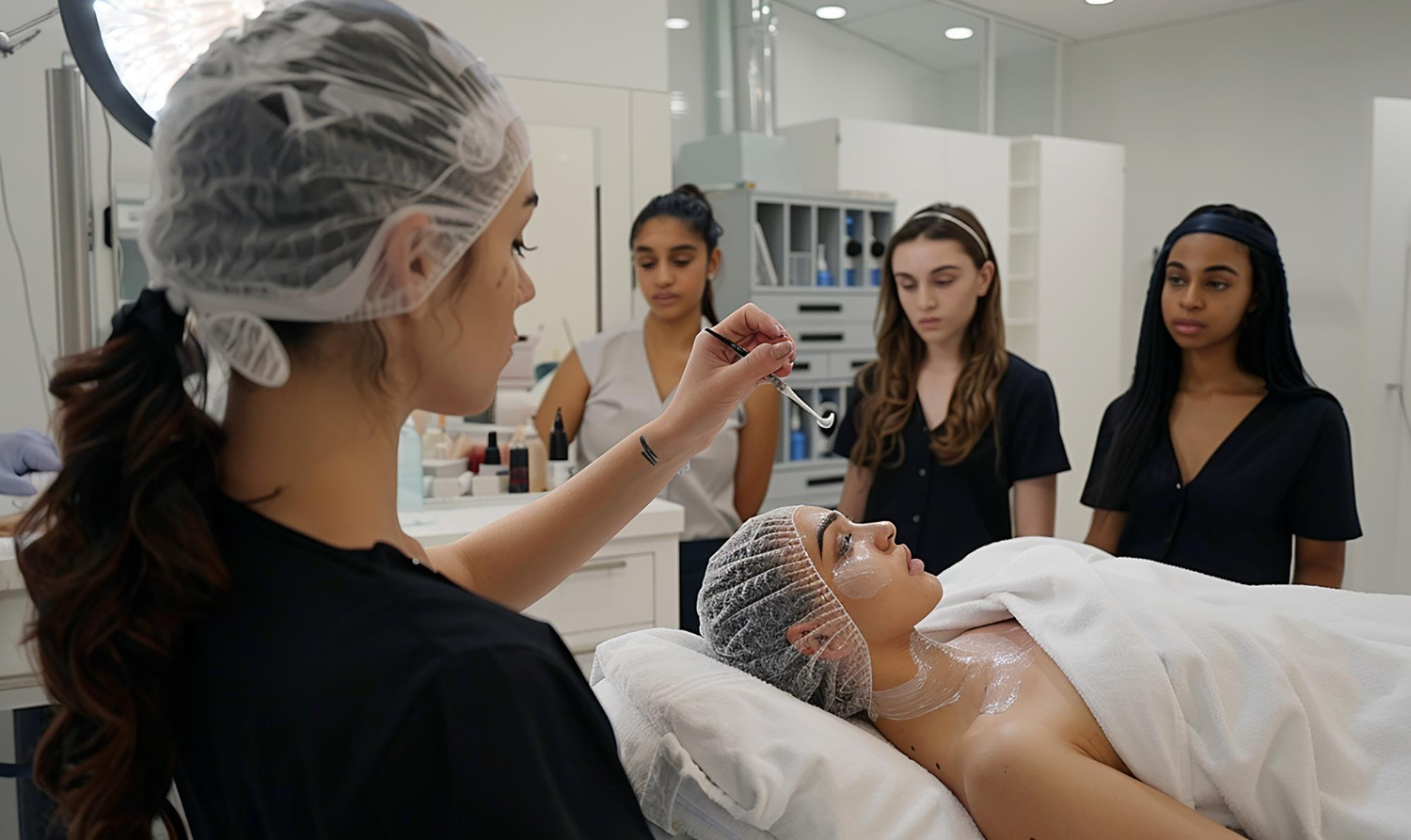
The medical aesthetics industry is moving fast, and it is not slowing down. Patients want minimally invasive cosmetic treatments from qualified providers who actually know what they are doing. For healthcare professionals looking to grow, a facial esthetics course is one of the most practical ways to build real clinical skills, gain confidence, and step into a field with genuine demand.
The shift toward non-surgical cosmetic treatments has changed what patients expect from their providers. They are more informed, more specific about their goals, and less willing to compromise on the qualifications of the person treating them. That raises the bar for everyone in the field, and it makes professional training more valuable than it has ever been.
Non-surgical cosmetic treatments have gone from niche to mainstream. Medical spas, dermatology practices, cosmetic clinics, and wellness centers are expanding their aesthetic service lines to keep pace with patient demand. The desired results are without surgery, with minimal downtime, and treatments tailored to individual goals.
That growth creates a real need for trained professionals who understand facial anatomy, patient assessment, and treatment safety. The industry does not just need more providers. It needs better-prepared ones.
Completing a professional facial esthetics course signals to employers and patients alike that you take this work seriously. In a field where trust is everything, that credential matters more than most people realize before they start.
Good training programs strike a balance between classroom education and hands-on practice. A course that leans too heavily on theory without giving students time actually to work through techniques leaves them underprepared. The best programs know this and build their curriculum accordingly.
Here is what strong courses typically include:
Before touching a patient, you need to understand what is underneath the skin. Training covers facial muscles, nerves, blood vessels, skin layers, and how the face changes with age. All of that knowledge directly informs how you evaluate a patient and plan a treatment. Anatomy is not background information in aesthetic medicine. It is the foundation on which every decision is built.
Every procedure starts with a conversation. Students learn how to conduct thorough evaluations, review medical histories, set realistic expectations, and document informed consent properly. A provider who rushes the consultation will eventually run into problems. Good training instills the habit of getting this part right every time.
Infection control, contraindications, treatment protocols, and complication recognition are not optional topics. They sit at the center of responsible aesthetic practice. Patients trust their providers with their faces. That trust requires a level of preparation that goes well beyond knowing how to perform a technique.
No amount of reading replaces supervised practice. Hands-on training under experienced instructors is where clinical confidence actually develops. Students who spend real time practicing techniques in a controlled setting arrive at their first professional Beauty Career Training procedures significantly more prepared than those who only observe.
Aesthetic training adds depth to your existing clinical background and makes you a more versatile provider. Whether you come from nursing, dentistry, medicine, or another healthcare field, adding facial esthetics to your qualifications gives you more to offer patients and employers.
Qualified aesthetic professionals are in demand across a wide range of settings. Explore Our Training Programs :
Each of these environments has its own culture and patient base, which means trained professionals have real flexibility in where and how they build their careers.
Confidence does not come from reading about techniques. It comes from learning them properly and practicing them in a setting where someone experienced is watching and guiding you. Professionals who train well feel it the first time they see a patient independently, and their patients feel it too.
This one often gets overlooked in career-focused conversations, but it matters. Better-trained providers deliver better results. Fewer complications, more accurate assessments, more appropriate treatment plans. Investing in quality education is as much about the patient sitting across from you as it is about your professional future. Request More Information regarding this training program through our contact us form.
Medical aesthetics evolves constantly. New techniques, new technologies, and updated safety protocols emerge regularly. Continuing education is how professionals keep pace rather than fall behind. A good training program builds that habit from the start by encouraging ongoing learning rather than treating certification as a finish line.
Not every program is worth your time or money. Before enrolling, pay close attention to a few key factors:
Choose a program led by people who have actually practiced aesthetic medicine, not just taught it. Real clinical experience shapes better instruction.
Strong programs mix clinical instruction with hands-on training and keep patient safety at the forefront of both. A course that skips either side of that balance is cutting corners somewhere.
The best providers offer advanced courses so you can keep building as the field evolves. Look for a program that treats your training as the beginning of a professional development journey rather than a one-time transaction.
Talk to people who have completed the program. Ask where they are working and whether the training prepared them for the realities of the job. That kind of firsthand feedback tells you more than any marketing material.
Quality training is the foundation on which everything else sits. It gives you the knowledge to perform procedures responsibly, the hands-on experience to do them well, and the professional credibility to build a practice that patients trust.
The medical aesthetics field rewards providers who invest in serious preparation and penalizes those who do not. Complications in this field are visible in a way that complications in other medical areas sometimes are not. That reality makes education not just a career asset but an ethical obligation.
As demand for cosmetic treatments keeps climbing, the professionals who invest in thorough, well-structured training will be the ones best positioned to grow with the industry. A facial esthetics course in New York is not just a credential to add to a resume. It is a concrete, meaningful step toward a career that has real staying power.
 631-273-5755